


Gwalior Fort Madhya Pradesh
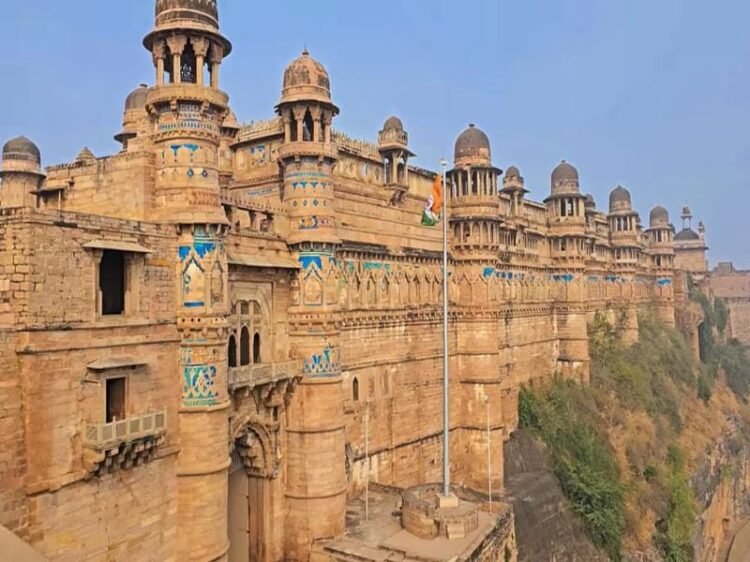
Gwalior Fort: The Timeless Crown of Madhya Pradesh
Standing proudly on a massive sandstone plateau, Gwalior Fort is one of India’s most breathtaking hill forts – often described as “the pearl among fortresses” by Emperor Babur. Fortified, majestic, and filled with centuries of history, this ancient marvel dominates the skyline of Gwalior, Madhya Pradesh, attracting history lovers, architecture enthusiasts, and travelers from across the world.
Whether you want to explore grand palaces, ancient temples, Jain rock-cut sculptures, or watch the famous Gwalior Fort light and sound show, this fort offers a truly unforgettable experience.
This complete travel guide covers everything – Gwalior Fort history, who built Gwalior Fort, ticket prices, timings, key attractions, tips, how to reach, and more.
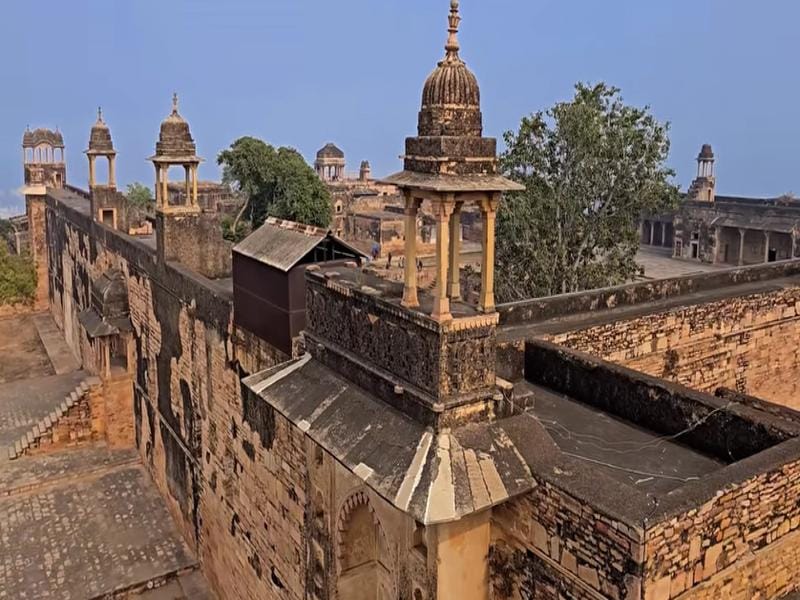
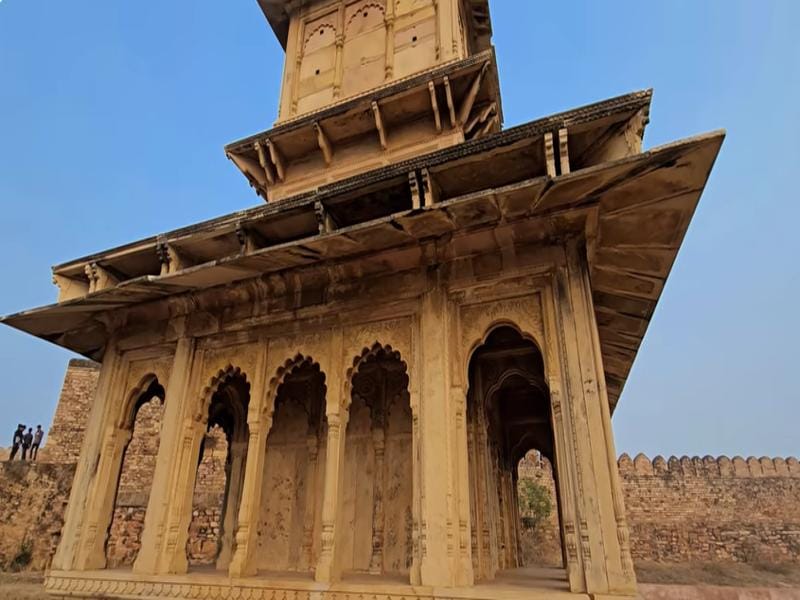
History of Gwalior Fort: A Saga of 1300+ Years
Who Built Gwalior Fort?
The fort’s earliest fortification was initiated by Raja Sourya Sena, who completed the strengthening of the plateau around 773 CE.
However, excavations reveal that the Gwalior region has been inhabited since the Stone Age, adding deeper historical significance to this legendary structure.
Early Settlements and Dynasties
Archaeological discoveries in Gupteshwar, located 3 km west of the fort, show that early rulers such as:
- Mauryas
- Sungas
- Kushanas
- Nagas
controlled the region until the 4th century CE.
The Gupta Empire ruled Gwalior till the late 5th century CE.
In 525 CE, Mihira Kula ruled over the region, as per inscriptions from the Sun Temple inside the fort.
Medieval Influence
Two important inscriptions from the Chaturbhuj Temple dated 875–876 CE place Gwalior under the Kannauj Kingdom.
Later, from 1398–1516 CE, the fort came under the powerful Tomar Rajputs, who transformed it into an architectural masterpiece. Their greatest ruler, Raja Man Singh Tomar, expanded the fort extensively, building palaces like:
- Man Mandir Palace
- Gujari Mahal
- Karan Mandir
- Vikram Mahal
Shortly after his death, the fort fell into the hands of Ibrahim Lodi, and later the Mughal Empire. Emperor Akbar captured the fort in 1550 CE.
Marathas, Scindias & British
With the fall of the Mughals, Gwalior came under the Marathas (Scindias).
During the Second Maratha War, the British captured the fort, but later returned it to Scindias in 1805.
Finally, in 1886, the British restored the fort to the Scindias in exchange for Jhansi.
Post-independence, Gwalior Fort became a part of the Indian state and is now protected by the Archaeological Survey of India (ASI) and Madhya Pradesh State Archaeology.
Architecture of Gwalior Fort: A Blend of Styles
The beauty of Gwalior Fort lies in its extraordinary combination of:
- Rajput architecture
- Sultanate influences
- Mughal elements
- Jain artistry
This intercultural fusion makes it one of India’s most unique historic forts.
The fort is spread across 3 square kilometers, with walls stretching over 2 miles and rising 35 feet high.
Major Attractions Inside Gwalior Fort
1. Man Mandir Palace
Built by Raja Man Singh Tomar, this glittering palace displays:
- Intricate carvings
- Glazed blue-and-yellow tiles
- Domed turrets
- Stunning brackets and balconies
This palace was the heart of regal entertainment and cultural life.
2. Gujari Mahal
A symbol of love built by Man Singh Tomar for his queen Mrignayani, this palace features:
- Massive façade
- Domed turrets
- Archaeological museum inside
It houses rare sculptures dating back to the 1st century CE, including the famous Shalbhanjika statue.
3. Karan Mandir
Constructed between 1454–1479 CE by Kirti Singh, second king of the Tomar dynasty.
4. Vikram Mahal
Built in 1516 CE by Vikramaditya Singh, the eldest son of Man Singh Tomar.
5. Mughal-Era Palaces
- Jahangir Mahal (Sher Mahal)
- Shahjahan Mahal
These structures represent classic Mughal architecture with elegant arches and courtyards.
6. Ancient Temples
Teli ka Mandir
A 9th-century marvel dedicated to Shiva, Vishnu, and Matrikas.
Chaturbhuj Temple
Home to the second-oldest inscription of Zero—a landmark in world mathematics.
Sas Bahu Temples
A pair of twin shrines, with the larger temple dedicated to Lord Vishnu (dated 1150 CE).
7. Jain Rock-Cut Sculptures
The fort’s cliffs house more than 100+ colossal Jain statues, carved during the Tomar rule (1450–1480 CE).
8. Imposing Gates & Entryways
Six historic gates:
- Hathi Pol (Elephant Gate)
- Ganesha Gate
- Lakshmana Gate
- Hindola Gate
- Gwalior Gate (Alamgiri Gate)
Each gate reflects a blend of Rajput and Mughal design.
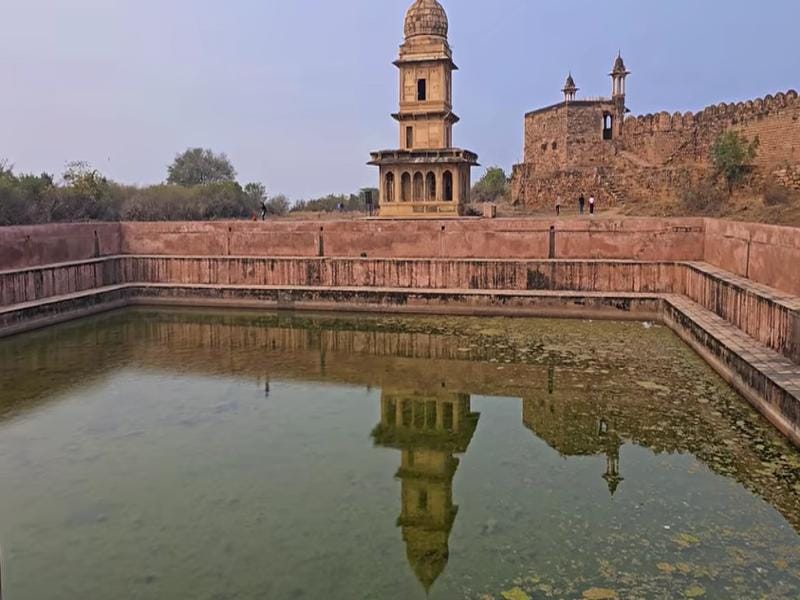
9. Water Reservoirs
The fort features ancient water bodies:
- Mansarovar Tal
- Gangola Tal
- Ek Khamba Tal
- Katora Tal
- Rani Tal
- Chedi Tal
- Jauhar Kund
These ensured water supply during long sieges.
10. Gurdwara Data Bandi Chhor
A sacred monument dedicated to Guru Hargobind Sahib.
11. Scindia School
Founded in 1897 CE, this prestigious school is located within the fort.
Gwalior Fort Timings
- Opening Time: 7:00 AM
- Closing Time: 5:30 PM
- Closed On: Friday
Gwalior Fort Ticket Price
Entry Fee
- Indian Adults: ₹75
- Indian Children (above 15 yrs): ₹40
- Children below 15 yrs: Free
- Foreign Tourists: ₹250
(Prices may change as per government updates.)
Gwalior Fort Light and Sound Show
One of the fort’s most popular attractions is the evening light and sound show held in the Man Mandir Palace amphitheatre.
Show Timings
- Hindi: 7:30 PM
- English: 8:30 PM
Why You Should Watch It
- Dramatic narration of Gwalior Fort history
- Special focus on the love story of Raja Man Singh Tomar and Queen Mrignayani
- Mesmerizing lights illuminating fort walls
- Perfect ending to your Gwalior trip
How to Reach Gwalior Fort
By Air
Daily flights operate from Delhi and Indore to Gwalior Airport.
(Schedules may vary—always check before travel.)
By Train
Gwalior is on the main Delhi–Mumbai and Delhi–Chennai routes.
Shatabdi Express connects:
Delhi → Agra → Gwalior → Jhansi → Bhopal
The railway station is 3–4 km from the fort.
By Road
- MP State Bus Stand is near the railway station.
- Private bus services operate from Lashkar.
Taxis, autos, and e-rickshaws are easily available.
What to Expect When Visiting Gwalior Fort
- Large domes, carved walls, and massive gateways
- Panoramic city views
- Sculptures, palaces, temples, and museums
- Famous light and sound show every evening
- A small pond inside
- Peaceful walking paths and photography spots
Best Time to Visit Gwalior Fort
The most comfortable season is:
October to March
- Pleasant weather
- Ideal for photography
- Perfect for long walks and sightseeing
- Festival season adds cultural charm
Tips for Visiting Gwalior Fort
- Wear comfortable shoes—there is a lot of walking.
- Visit early morning or late afternoon to avoid afternoon heat.
- Carry water and light snacks (not allowed inside palaces).
- Hire a guide or audio guide for a richer experience.
- Attend the light and sound show—highly recommended.
- Respect photography rules—some areas may be restricted.
- Do not litter or damage the heritage structures.
- Take your time exploring—3–4 hours minimum recommended.
Nearby Tourist Spots
- Sun Temple
- Gwalior Zoo
- Saas Bahu Temple
- Tansen Memorial
- Teli ka Mandir
- Gujari Mahal Museum
More About Gwalior Fort
Gwalior Fort is not just a monument—it’s a living reflection of India’s cultural evolution. It carries footprints of:
- Tomars
- Rajputs
- Mughals
- Marathas
- Scindias
- Jain heritage
- Sikh history
This unique mix of dynasties and cultures makes it one of the most architecturally diverse forts in India.
FAQ – Frequently Asked Questions
1. How to choose a destination to travel to?
Research transportation, stay options, activities, blogs, documentaries, and local experiences before planning any trip.
2. How to explore a place by yourself?
Eat local food, use public transport, join tours, visit parks and markets, and take photographs—immerse yourself in the culture.
3. How to plan the perfect trip?
Choose destination → book flights → select stay → plan transport → list attractions → check visas → take necessary vaccinations → keep documents handy.
Conclusion
Gwalior Fort is a magnificent blend of royal history, architectural excellence, and cultural grandeur. From ancient temples to Rajput-era palaces, from Jain sculptures to Mughal gateways—this fort tells stories spanning more than a millennium.
Whether you’re a history lover, a photographer, or a traveler seeking beautiful views, Gwalior Fort Madhya Pradesh promises an unforgettable experience.
Visit during winter, enjoy the light and sound show, explore the palaces, and let the fort’s timeless charm make your journey truly memorable.
For more top heritage destinations, also explore:
👉 Historical Places in India: https://duniyaghumo360.com/historical-places/