


Ajanta Ellora Caves
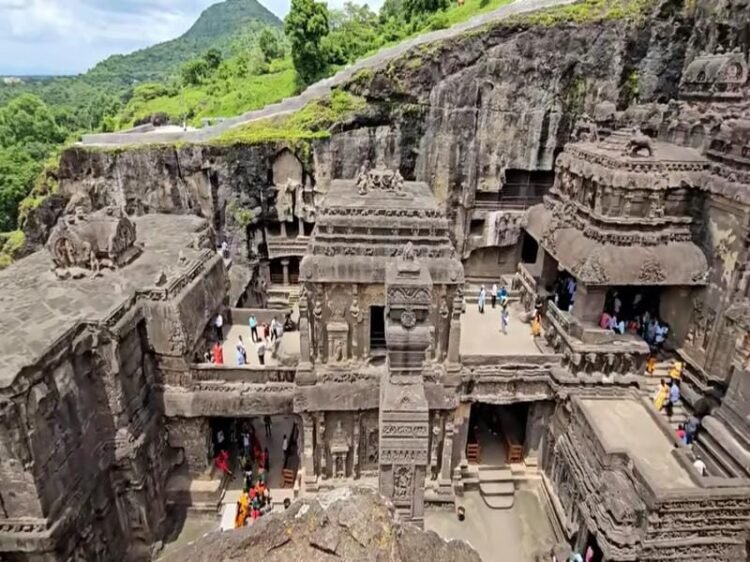
Ajanta Ellora Caves – History, Architecture, Paintings, Timings, Entry Fee & Travel Guide
Welcome to one of India’s most magical ancient wonders – Ajanta Ellora Caves. These caves are not just historical monuments; they are a timeless journey into India’s art, culture, and spirituality. Located in Maharashtra, near Aurangabad, both Ajanta and Ellora Caves are UNESCO World Heritage Sites and among the most visited historical destinations in India.
Whether you are a history lover, a spiritual traveler, a student of archaeology, or simply someone looking for an unforgettable travel experience, Ajanta Ellora promises to leave you spellbound.
1. Introduction to Ajanta Ellora Caves
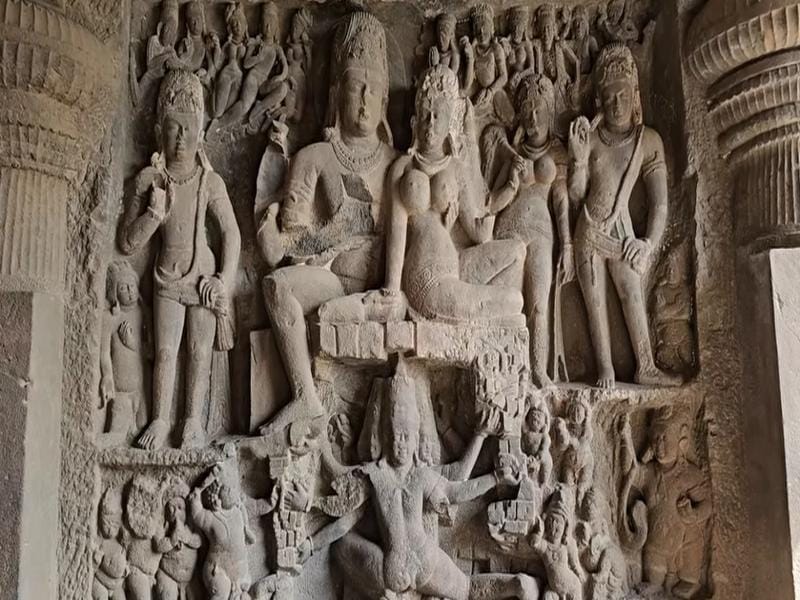
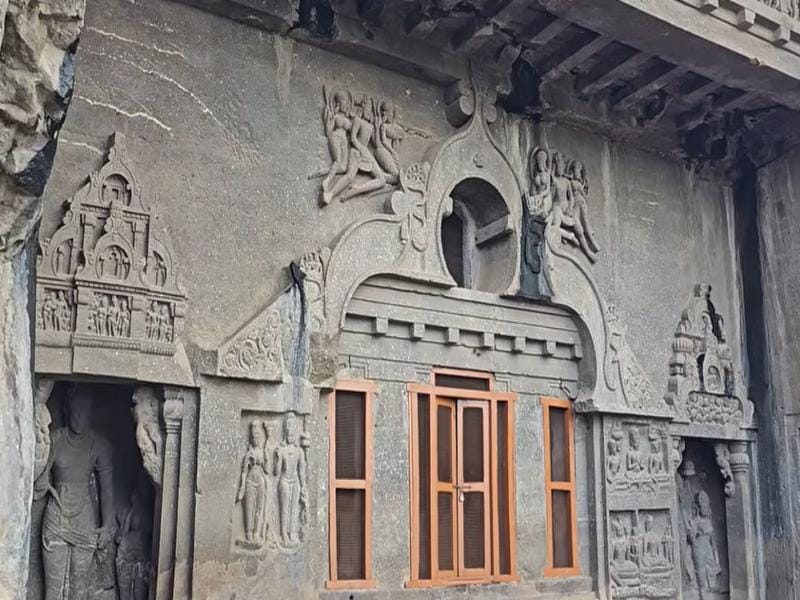
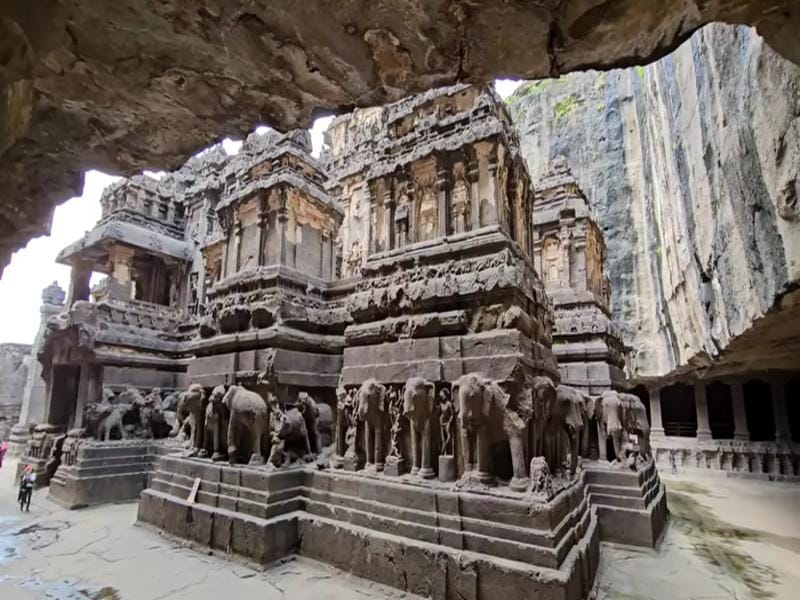
The Ajanta Ellora Caves are among the world’s oldest and most extraordinary rock-cut cave complexes. Ajanta is especially famous for its murals and sculptures based on Buddhism, while Ellora showcases a fusion of Buddhist, Hindu, and Jain architecture.
Ajanta Caves India has been a major attraction since its rediscovery in 1819, drawing thousands of tourists every year. These caves contain hundreds of stunning paintings carved into rocky walls, making them one of the most well-preserved ancient art galleries in the world.
If you want to witness some of the most beautiful Buddhist sculptures and paintings, Ajanta is an unmissable destination.
For more top heritage destinations, also explore:
👉 Historical Places in India: https://duniyaghumo360.com/historical-places/
2. Where Are Ajanta Caves Located?
Ajanta Caves are situated near Aurangabad, Maharashtra, in a breathtaking horseshoe-shaped gorge overlooking the Waghora River.
2.1. Key Location Facts
- State: Maharashtra
- Nearest City: Aurangabad (approx. 100 km away)
- Number of Caves: 30 rock-cut Buddhist caves
- Age: Built between the 2nd century BCE and 6th century CE
Despite being carved with only basic tools, the craftsmanship is extraordinary and unmatched even after centuries.
3. History of Ajanta Caves
3.1. Two Phases of Construction
Historians agree that Ajanta was built in two distinct phases:
- Early Phase (2nd century BCE – 1st century CE)
- Later Phase (4th century CE – 6th century CE) during the Gupta period and Vakataka dynasty
There are 36 identifiable cave foundations, though originally only caves 1–29 were numbered. Later-discovered caves were given suffixes like 15A.
3.2. Rediscovery in 1819
Ajanta was abandoned for centuries until it was dramatically rediscovered by British officer John Smith during a hunting expedition.
Since then, archaeologists have restored and preserved the caves, opening them to visitors worldwide.
4. Significance of Ajanta Caves
4.1. Artistic Significance
Ajanta is considered one of the world’s greatest masterpieces of ancient Buddhist art.
Highlights:
- Exquisite rock-cut architecture
- Vibrant murals and frescoes
- Intricate carvings of mythological figures and animals
- Perfect symmetry and craftsmanship
These paintings are also an inspiration for modern artists and researchers.
4.2. Religious Significance
Ajanta’s murals depict:
- Buddha’s life
- Important events in Buddhist history
- Teachings based on Jataka tales
These caves served as meditation halls, monasteries, and places of worship for monks.
4.3. Cultural Significance
The paintings and carvings reflect:
- Daily lifestyle of ancient India
- Clothing and culture of that era
- Social and religious practices
They are a window into India’s ancient civilization and identity.
5. Architecture of Ajanta Caves
Ajanta is carved from basalt rock on a steep hillside. The caves are arranged in a semicircle, giving them a unique horseshoe-like layout.
5.1. Types of Caves
There are two major cave types:
5.1.1. Viharas (Monasteries)
These are halls with:
- Dormitory cells
- Prayer rooms
- Pillars and central halls
Most of the 30 caves are viharas.
5.1.2. Chaityas (Worship Halls)
These include:
- High-arched ceilings
- A stupa at the front
- Pillars for circumambulation
Famous chaitya caves: 9, 10, 19, 26, and 29
6. Highlights of Ajanta Caves
6.1. Famous Ajanta Ellora Paintings
The paintings at Ajanta are the biggest reason travelers visit.
Notable caves:
- Cave 1 & 2: Stunning murals, highly detailed
- Cave 10: Oldest cave with Jataka tale depictions
- Cave 17: Extremely well-preserved frescoes
Themes include:
- Life of Buddha
- Jataka tales
- Dance, ornaments, ancient lifestyle
These murals are globally recognized for their artistic brilliance.
6.2. Sculpture Work
Ajanta’s stone statues of Buddha are finely carved with grace and depth.
Notable sculptures:
- Seated Buddha in Cave 1
- Carved pillars in Caves 3 & 9
6.3. Rock-Cut Architecture
Ajanta’s carvings highlight:
- Decorated pillars
- Intricate doorways
- Stupas
- Courtyards and chambers
Every cave is unique in layout and artistic detail.
7. Things to Do at Ajanta Caves
7.1. Explore All 30 Caves
Each cave has its own story, architecture, and spiritual energy.
7.2. Admire the Paintings
These murals are centuries old, yet their colors remain vivid.
7.3. Learn Buddhist History
Guides and plaques help you understand the cultural significance.
7.4. Trek to the Viewpoint
A short trek leads to a spectacular view of the entire cave horseshoe.
7.5. Photography
Capture the beauty of stone carvings, corridors, and natural surroundings.
7.6. Enjoy Local Maharashtrian Food
Nearby stalls serve:
- Misal pav
- Vada pav
- Chaat
- Tea & snacks
7.7. Shop for Souvenirs
Local handicrafts, textiles, and Buddhist-themed artifacts make great souvenirs.
8. Ajanta Caves Timings & Entry Fee
8.1. Timings
| Day | Timing |
|---|---|
| Monday | Closed |
| Tuesday–Sunday | 9:00 AM – 5:00 PM |
8.2. Entry Fee
- ₹40 per Indian visitor
- ₹40 for SAARC visitors
- ₹600 for foreign tourists
- Free entry for children below 15 years
9. Best Time to Visit Ajanta Caves
- Winter (Nov–Feb): Best weather, pleasant for exploring
- Monsoon (Aug–Sep): Lush greenery and lovely views
- Avoid May–June: Too hot during daytime
10. Time Required to Explore
- 2–3 hours to tour all caves
- Extra time for trekking and photography
- It is ideal as a one-day trip from Aurangabad
11. Things to Keep in Mind While Visiting
- Ajanta is a sacred Buddhist site – be respectful
- Wear comfortable shoes
- Avoid flash photography
- Carry water, snacks, sunscreen, hat
- Caves have uneven floors – walk carefully
- Not wheelchair accessible
- Read or hire a guide to understand the history
- Visit early morning or late afternoon for fewer crowds
12. How to Reach Ajanta Caves
12.1. Nearest Airport: Aurangabad
12.2. Nearest Railway Station: Jalgaon (60 km)
12.3. Distance from Cities
- Aurangabad – 102 km
- Mumbai – 426 km
- Pune – 334 km
12.3.1. From Aurangabad
- Train: Aurangabad → Jalgaon → Bus/auto → Shuttle to caves
- Bus: Direct Aurangabad to Ajanta Caves
- Taxi: Best option, 3-hour drive
12.2.2. From Mumbai
- Train: Mumbai → Aurangabad/Jalgaon
- Bus: Mumbai → Aurangabad → Ajanta
- Taxi: 9-hour scenic drive
12.3.3. From Pune
- Train: Pune → Aurangabad/Jalgaon
- Bus: Pune → Aurangabad → Ajanta
- Taxi: 8-hour trip by road
13. FAQs about Ajanta Caves
13.1. What are Ajanta Caves famous for?
Their murals, frescoes, and Buddhist rock-cut architecture.
13.2. How many caves are there?
30 caves (5 chaityas + 25 viharas)
13.3. Who built Ajanta Caves?
Skilled craftsmen under Satavahana and Vakataka dynasties.
13.4. Which god is depicted?
Lord Buddha.
13.5. Which river flows near Ajanta?
Waghora River.
13.6. Who discovered Ajanta?
British officer John Smith in 1819.
13.7. How much time to see the caves?
2–3 hours.
13.8. What rock are the caves made of?
Basalt rock.
14. Additional Travel Tips (Must-Read)
- Carry a powerbank—mobile networks are weak in the area
- Wear light cotton clothes, but carry a light jacket for cooler caves
- If traveling with kids, keep them close due to uneven surfaces
- Avoid touching murals or sculptures—preservation is important
- Combine Ajanta with Ellora Caves & Aurangabad City Tour for a complete heritage experience
15. Conclusion
The Ajanta Ellora Caves are not just historical sites – they are a breathtaking blend of spirituality, art, architecture, and ancient Indian brilliance. Visiting these caves is like stepping into a living museum where every wall, pillar, and painting tells a story thousands of years old.
Whether you are a traveler, an explorer, or a history enthusiast, Ajanta Ellora promises an unforgettable journey through time. Add this destination to your Maharashtra itinerary and experience the awe-inspiring beauty that continues to attract millions from around the world.